Whether you’re maintaining lawns in the summer or decking out homes with holiday décor in winter, getting the right insurance coverages for your seasonal business is essential. Seasonal businesses are unique; they need protection during both busy and inactive periods, face irregular staffing needs, and are often more vulnerable to severe weather than typical businesses.
Here are six insurance coverages for seasonal businesses to keep going strong, year after year.
- Workers compensation insurance. This coverage is required by law in 49 states, although requirements vary by state. It doesn’t matter if your employees are only working for one season — they still need coverage. In fact, because seasonal employees have less time on the job than typical workers, they may be more prone to injuries, so workers’ compensation is even more important.
Even if your business is only open for a few months each year, keep your workers compensation coverage in effect year-round. Canceling and then reinstating your policy may trigger cancellation penalties, and can lead to coverage gaps if ailments take longer to diagnose or off-season maintenance injuries occur. Your premium is based on the number of workers on your payroll, so the off-season months (with few or no workers) will reduce the overall cost.
- General liability insurance. General liability insurance is one of the most common coverages purchased by businesses, including seasonal operations. It helps protect against third-party claims alleging bodily injury, property damage, or personal and advertising injury arising from your business operations, products, or premises.
- Business income insurance. Sometimes called business interruption coverage, business income insurance reimburses you for lost income if your business is unable to operate due to property damage from a storm or fire, utility service interruption, or another covered cause of loss. This type of coverage is especially important for seasonal businesses. Because your business has a shorter peak revenue cycle, every day lost represents a larger percentage of total profits than it would for a year-round business. Business income insurance helps to ensure that a single loss event doesn’t become a season-ending event.
- Equipment breakdown insurance. Like business income insurance, equipment breakdown insurance is a critical coverage for seasonal businesses due to their shorter operating periods. This coverage pays to repair or replace key machinery and equipment in the event of mechanical or electrical breakdown and reimburses you for lost income or spoiled inventory. It also covers mandatory inspections of important equipment to help prevent failures before they occur.
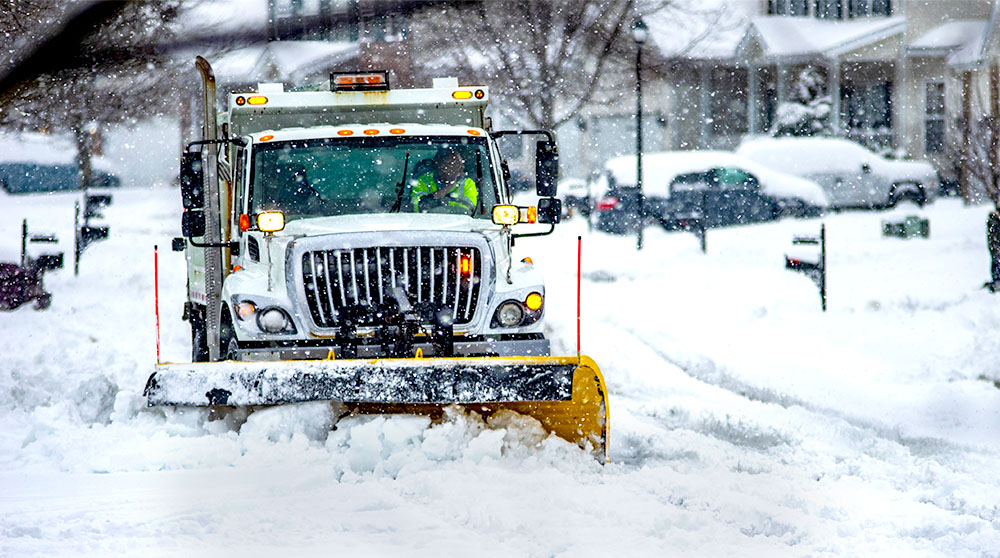
- Commercial auto insurance. Many seasonal businesses rely on vehicles to serve customers: snowplows, delivery vans, pickup trucks, etc. Commercial auto coverage covers repairs to vehicles after an accident or natural disaster, medical bills if another driver or passenger is injured, and property damage caused by your vehicles. If your vehicles are unused and in storage during the off-season, you’ll still need some coverage, but you can save money by dropping collision insurance during this time.
- Inland marine insurance. Snow removal services, landscaping businesses, holiday lighting services — these types of seasonal businesses often have large, high-value tools and equipment that need to be transported from site to site. Inland marine insurance provides protection that standard property coverage alone cannot. It follows your critical equipment wherever it goes, covering it for damage or theft, whether it’s on-site or in transit.
While nearly all seasonal businesses will need the first three coverages, some may not need 4, 5, or 6, and some may need additional coverage. Because your business is unique, we recommend talking to a local, independent agent who can help you customize a businessowners policy that gives you the protection you need while saving you money in the off-season.
This content was developed for general informational purposes only. While we strive to keep the information relevant and up to date, we make no guarantees or warranties regarding the completeness, accuracy, or reliability of the information, products, services, or graphics contained within the blog. The blog content is not intended to serve as professional or expert advice for your insurance needs. Contact your local, independent insurance agent for coverage advice and policy services.